I’ve walked dozens of solar sites—from dusty deserts in Jordan to rainy fields in Vietnam—and one thing keeps coming up: fencing gets planned last, but it causes problems first.
Here’s the truth no spec sheet tells you:
A solar farm fence isn’t just “something around the edge.” It’s your first line of defense, your maintenance enabler, and—believe it or not—part of your community reputation.
So after years of seeing what works (and what leads to midnight repair calls), here’s my practical take:
1. “Security” Starts with the Right Mesh
Chain link? Fine for a backyard. For a 50MW plant? Think again.
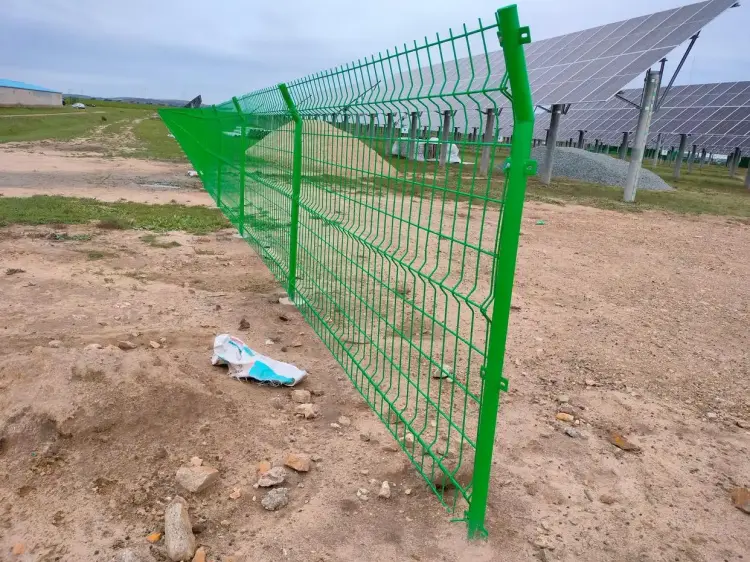
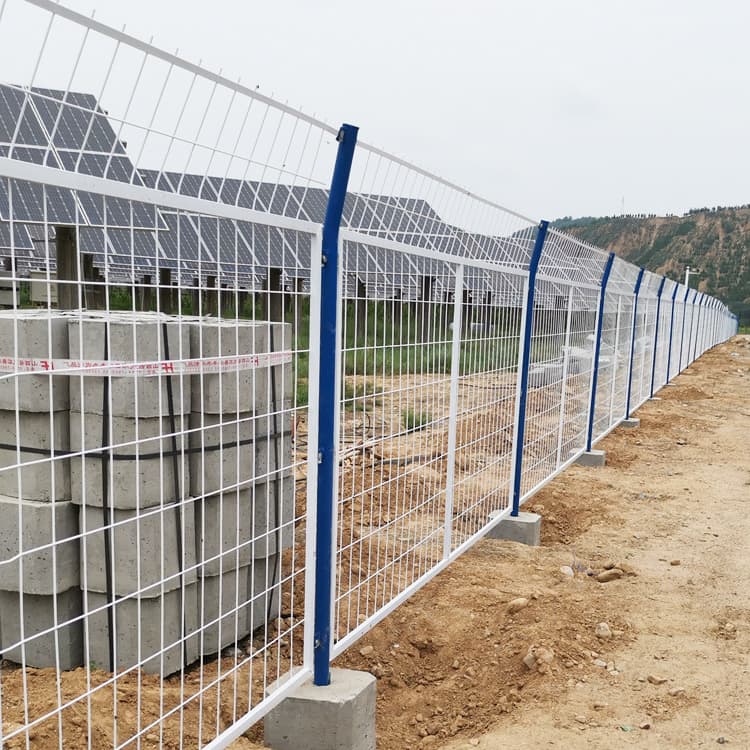
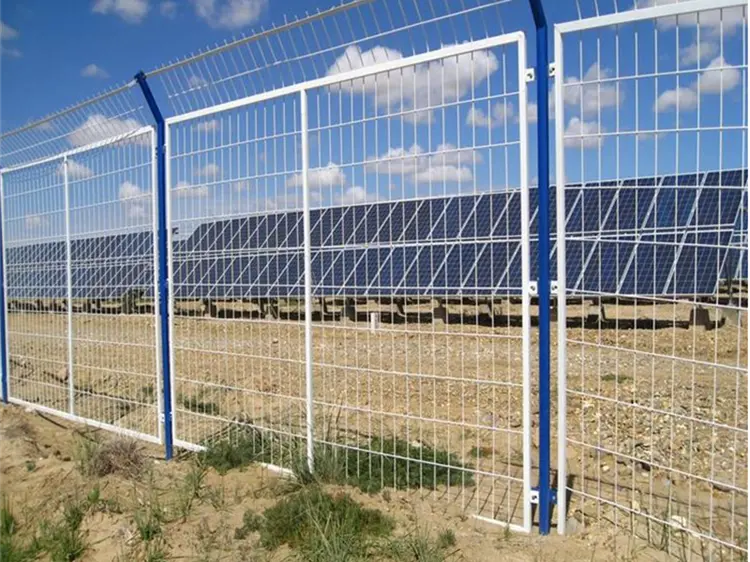
We now specify welded rigid panels—like 358 mesh or clear-view—with hot-dip galvanizing + polyester powder coating. Why? Because they resist cutting, don’t sag over time, and handle UV like champs. Bonus: they look clean from the highway, which neighbors appreciate.
2. Animals Don’t Respect Permits
In Kenya, baboons ripped cables through loose fencing. In Brazil, capybaras burrowed under chain link. Lesson learned: extend the fence 40cm underground or add a concrete toe. It costs a bit more upfront—but saves thousands in panel replacements later.
3. Your O&M Crew Will Thank You
If your fence has no service gates or requires bolt cutters to open, you’re slowing down every inspection. We now design modular sections with lockable access panels every 100–200 meters. Simple? Yes. Rarely done? Shockingly, yes.
4. Local Rules Change Everything
In Europe, you might need anti-climb curves by law. In parts of Africa, height limits are strict near schools. Always check national grid codes AND local municipal rules—not just international standards.
What I Wish Every Solar Developer Knew About Fencing—Before Breaking Ground
5. Sustainability Isn’t Just Panels
Clients ask about carbon footprint—then install fences that rust in 5 years. Instead, choose 100% recyclable steel, coatings with zero VOCs, and suppliers who publish EPDs (Environmental Product Declarations). It’s becoming a tender requirement, not a nice-to-have.
What I Wish Every Solar Developer Knew About Fencing—Before Breaking Ground
The Real ROI of Good Fencing?
Fewer security breaches.
Lower lifetime maintenance.
Happier neighbors.
And zero “we should’ve thought of this earlier” meetings.
So next time you’re finalizing your BOM, don’t just write “perimeter fence.” Ask: What kind of fence will still be doing its job when the panels are halfway through their life?
That’s the one worth installing.
We help solar EPCs and developers specify, source, and certify fencing that lasts as long as the project itself. Drop us a line for region-specific solutions.
 Gabion Wall Fence Panel9 2 月, 2026 - 3:26 上午
 Workshop Equipment Isolation Fence6 2 月, 2026 - 3:30 上午
 2DF-Decorative Fencing Panels & Square Post C
How to Install Prison-Grade Steel Mesh Fence Right—Safety, Specs & Why Cutting Corners Risks Everything
What Is Prison Steel Mesh Fence Made Of?
Key Installation Rules You Can’t Ignore
Concrete Work: Where Most Projects Fail
What I Wish Every Solar Developer Knew About Fencing—Before Breaking Ground
I’ve walked dozens of solar sites—from dusty deserts in Jordan to rainy fields in Vietnam—and one thing keeps coming up: fencing gets planned last, but it causes problems first.
Here’s the truth no spec sheet tells you:
A solar farm fence isn’t just “something around the edge.” It’s your first line of defense, your maintenance enabler, and—believe it or not—part of your community reputation.
So after years of seeing what works (and what leads to midnight repair calls), here’s my practical take:
1. “Security” Starts with the Right Mesh
Chain link? Fine for a backyard. For a 50MW plant? Think again.
We now specify welded rigid panels—like 358 mesh or clear-view—with hot-dip galvanizing + polyester powder coating. Why? Because they resist cutting, don’t sag over time, and handle UV like champs. Bonus: they look clean from the highway, which neighbors appreciate.
2. Animals Don’t Respect Permits
In Kenya, baboons ripped cables through loose fencing. In Brazil, capybaras burrowed under chain link. Lesson learned: extend the fence 40cm underground or add a concrete toe. It costs a bit more upfront—but saves thousands in panel replacements later.
3. Your O&M Crew Will Thank You
If your fence has no service gates or requires bolt cutters to open, you’re slowing down every inspection. We now design modular sections with lockable access panels every 100–200 meters. Simple? Yes. Rarely done? Shockingly, yes.
4. Local Rules Change Everything
In Europe, you might need anti-climb curves by law. In parts of Africa, height limits are strict near schools. Always check national grid codes AND local municipal rules—not just international standards.
What I Wish Every Solar Developer Knew About Fencing—Before Breaking Ground
5. Sustainability Isn’t Just Panels
Clients ask about carbon footprint—then install fences that rust in 5 years. Instead, choose 100% recyclable steel, coatings with zero VOCs, and suppliers who publish EPDs (Environmental Product Declarations). It’s becoming a tender requirement, not a nice-to-have.
What I Wish Every Solar Developer Knew About Fencing—Before Breaking Ground
The Real ROI of Good Fencing?
Fewer security breaches.
Lower lifetime maintenance.
Happier neighbors.
And zero “we should’ve thought of this earlier” meetings.
So next time you’re finalizing your BOM, don’t just write “perimeter fence.” Ask: What kind of fence will still be doing its job when the panels are halfway through their life?
That’s the one worth installing.
We help solar EPCs and developers specify, source, and certify fencing that lasts as long as the project itself. Drop us a line for region-specific solutions.
The Science Behind Welded Mesh Fencing: Why Precision Welding Defines Security Performance
High-tensile steel wire is the foundation. Before any welding begins, both longitudinal and cross wires undergo strict quality checks for diameter consistency and tensile strength. Impurities or inconsistencies here can lead to weld failures down the line.
Even the best weld won’t stick to a dirty surface. Wires are cleaned via mechanical brushing or chemical degreasing to remove oxides, oil, or moisture. Clean metal ensures optimal electrical conductivity during resistance welding—a critical factor for consistent joint formation.
Most industrial-grade welded mesh uses electric resistance welding (ERW). Here’s how it works:
From agricultural enclosures to airport perimeters, the performance of a security fence hinges on weld integrity. A poorly welded joint becomes the weakest link—literally. But when done correctly, welded mesh offers unmatched rigidity, low maintenance, and a clean aesthetic that blends function with form.
All About Football Field Perimeter Fencing
Ukrainian Buyer Visits Hebei Fencing Factory in Summer 2025
Ukrainian Buyer Visits Hebei Fencing Factory in Summer 2025
In summer 2025, a buyer from Ukraine visited our fencing factory in Hebei Province to see our products and production process in person. The visit included two key stops: viewing installed fence samples right outside our office building, and walking through the active production line inside the factory.
Premium Tennis Court Fencing Systems – Durable, Low-Maintenance & UV-Resistant Enclosures for Clubs & Backyards
Smart Fencing Solutions for Modern Tennis Courts
Court Layout & Required Clearances
Why Our Fence System Works for Tennis
Dark green remains the go-to option—it’s subtle, non-reflective, and blends seamlessly into most landscapes. Grass green is available for facilities wanting a slightly fresher tone.
Installation Made Simple
Ideal for new builds or open ground. Technicians dig post holes, position the uprights, and secure them with poured concrete. After curing (usually 1–2 days), panels are attached. This method delivers maximum stability and is preferred for permanent installations.
Perfect for existing hard surfaces like concrete or asphalt. Heavy-duty base plates are bolted directly to the ground using expansion anchors—no excavation needed. It’s faster, cleaner, and great for retrofits or temporary setups.