
How to Install Prison-Grade Steel Mesh Fence Right—Safety, Specs & Why Cutting Corners Risks Everything
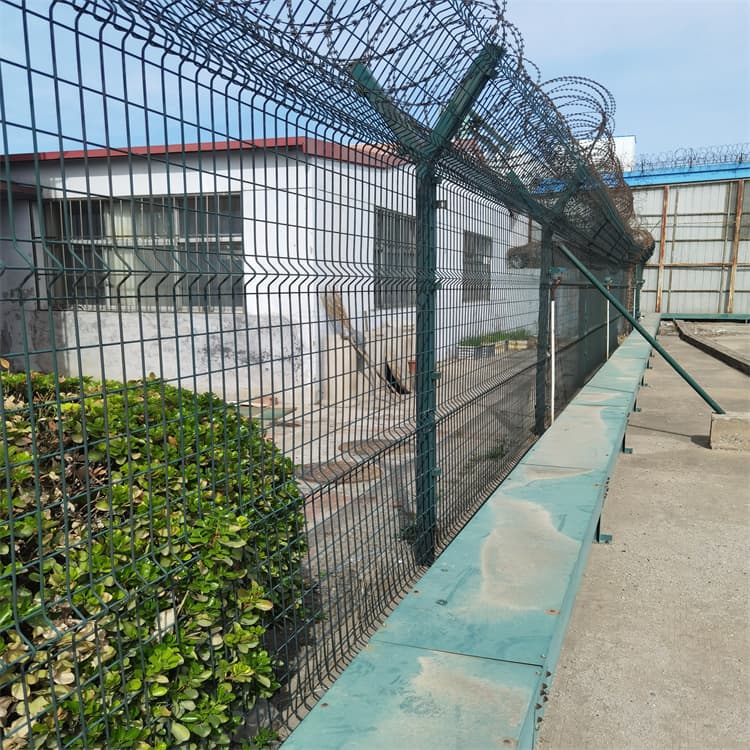
Let’s be real: when you’re building a high-security perimeter for prisons or detention centers, there’s no room for “good enough.” This isn’t your backyard fence. One weak weld, one loose bolt, or a misaligned post—and the whole system fails.
We’ve seen it happen. That’s why we’re breaking down exactly how prison steel mesh fencing should be installed—step by step, spec by spec—in plain English, no fluff.
What Is Prison Steel Mesh Fence Made Of?
It’s not just “wire on poles.” A proper prison-grade barrier includes:
- Y-shaped posts (for extra stability)
- Concertina razor wire (the coiled, snake-like kind)
- Rigid welded mesh panels
- Horizontal tension wires that lock the razor coils in place
And here’s the hard truth: this MUST be installed by trained professionals. No DIY. No “we’ll figure it out as we go.” If unqualified crews try to wing it, the manufacturer won’t—and shouldn’t—take responsibility for failures. Lives and security are on the line.
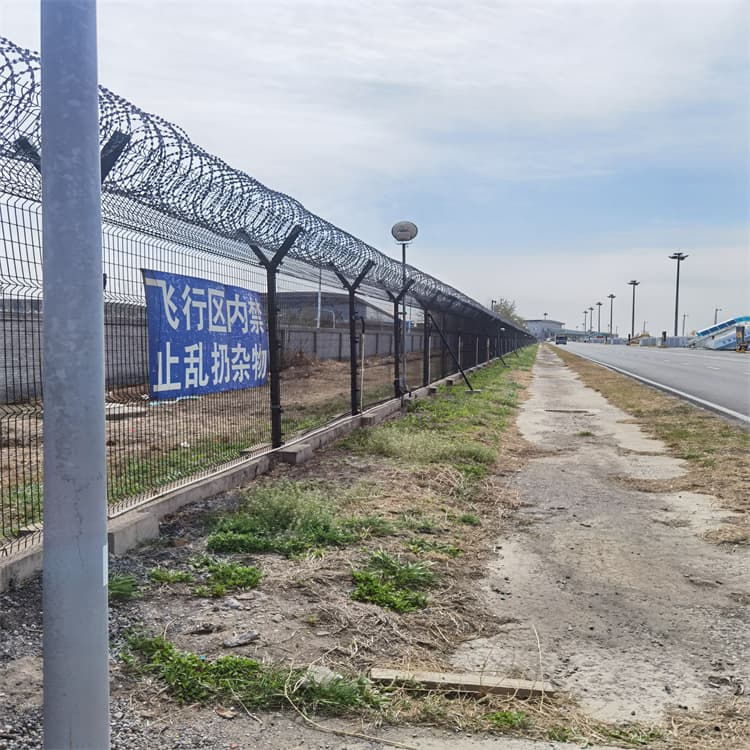
Key Installation Rules You Can’t Ignore
✅ Panel-to-Post Connection
- Panels attach to posts using bolted flat ears (40mm x 50mm x 5mm steel).
- Each ear has slotted holes (~15mm adjustment range) so you can fine-tune alignment.
- Use 14mm x 50mm hot-dip galvanized bolts and nuts—minimum 6 connection points per panel.
✅ Geometry Matters
- The whole fence must run perfectly straight.
- Frame corners must be square; diagonal error ≤ 1.5cm.
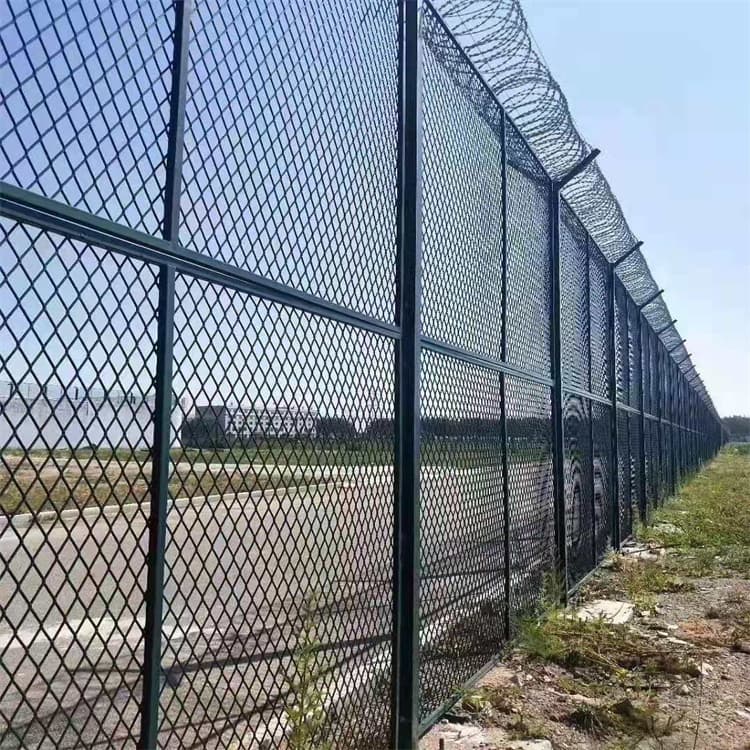
- Mesh diamonds? They must run vertically—not sideways.
- Every panel needs at least 6 secure fastening points per side.
✅ Razor Wire Setup
- Concertina coils: ≥10 coils per meter, spaced 100mm apart.
- Coils must be parallel to the mesh, perfectly aligned—no sagging, no tilting.
- Every 20 meters, secure the razor wire to the horizontal tension wire with locking clips.
- At joints or corners? Double-anchor both ends—no gaps, no looseness.
✅ Post Alignment Is Non-Negotiable
- Posts must be dead straight.
- Check alignment every 20 meters.
- Over 100 meters, total deviation must not exceed 6 degrees.
- On walls? Anchor posts into concrete every 3 meters—no exceptions.
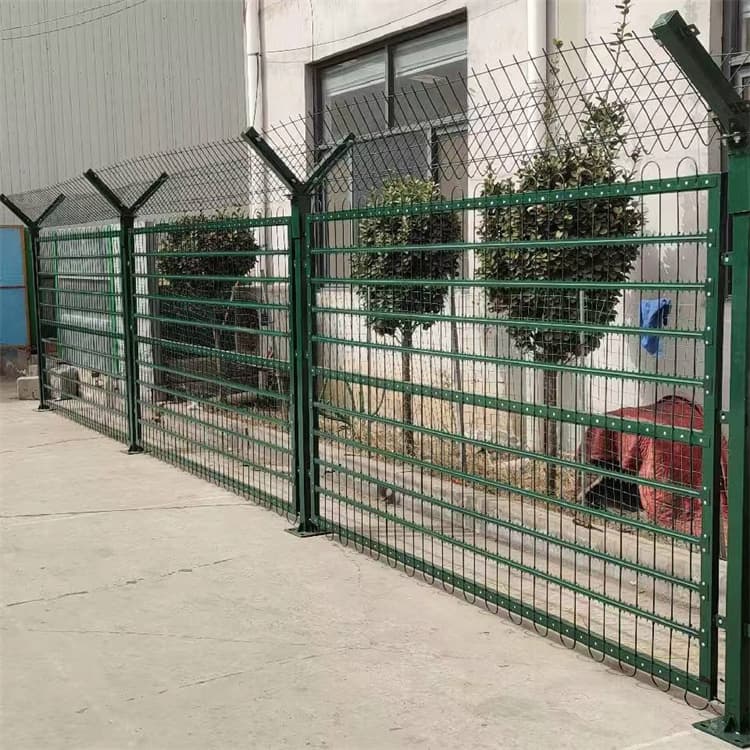
Concrete Work: Where Most Projects Fail
Yes, even fences need serious concrete work. Here’s how it’s done right:
- Prep: Wet the base area to prevent rapid drying.
- Pouring order:
- Start farthest from the pump and work backward.
- Pour vertical supports first, then horizontal elements.
- Reinforcement: Concrete must be vibrated and compacted—no air pockets.
- Expansion joints: Every 120 meters, install a double-post isolation joint (gap ≤10mm).
- Corners & breaks: Use monolithic double bases—twice the volume of a standard base.
⚠️ Critical Reminder: Never move to the next step until the concrete fully cures. Rushing = cracked foundations = wasted time, money, and risk.
 2DF-Decorative Fencing Panels & Square Post C

