China Fence Supplier
  • Link to X
  • Link to Youtube
  • Home
  • Products
    • Wire Mesh Fences
    • Railings and Guardrails
    • Access Control Gates
    • Accessories
  • Projects
  • Service
    • Super factory
    • Technology
    • Aesthetics
    • Shipping
  • Company
  • Contact
  • Blog
  • Click to open the search input field Click to open the search input field Search
  • Menu Menu
News

How to Install Prison-Grade Steel Mesh Fence Right—Safety, Specs & Why Cutting Corners Risks Everything

How to Install Prison-Grade Steel Mesh Fence Right—Safety, Specs & Why Cutting Corners Risks Everything
Let’s be real: when you’re building a high-security perimeter for prisons or detention centers, there’s no room for “good enough.” This isn’t your backyard fence. One weak weld, one loose bolt, or a misaligned post—and the whole system fails.
We’ve seen it happen. That’s why we’re breaking down exactly how prison steel mesh fencing should be installed—step by step, spec by spec—in plain English, no fluff.
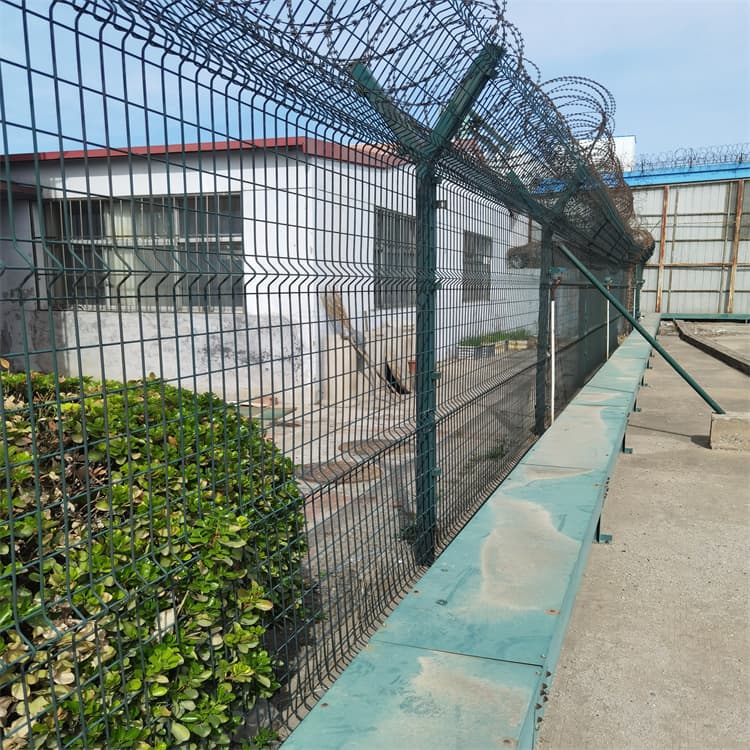
How to Install Prison-Grade Steel Mesh Fence Right—Safety, Specs & Why Cutting Corners Risks Everything

What Is Prison Steel Mesh Fence Made Of?

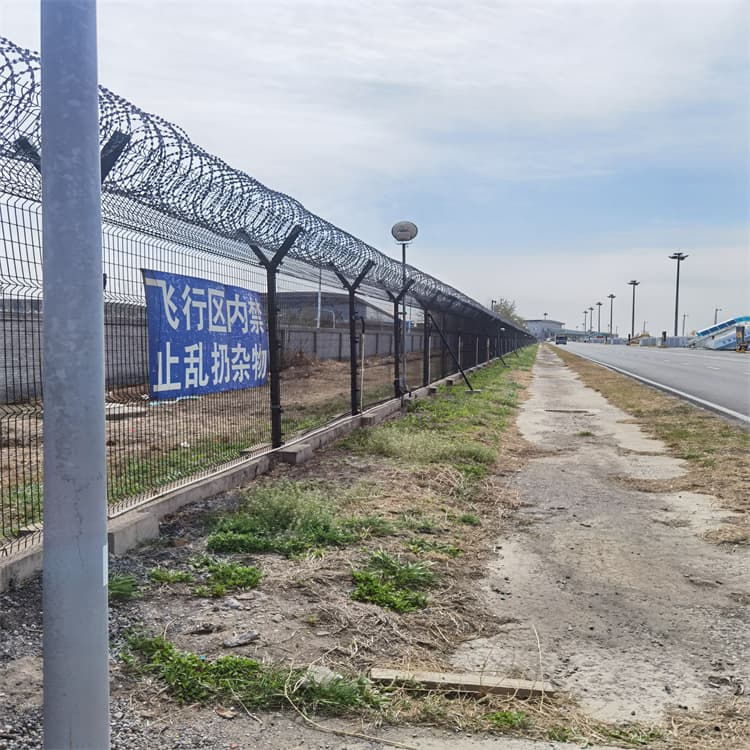
It’s not just “wire on poles.” A proper prison-grade barrier includes:
  • Y-shaped posts (for extra stability)
  • Concertina razor wire (the coiled, snake-like kind)
  • Rigid welded mesh panels
  • Horizontal tension wires that lock the razor coils in place
And here’s the hard truth: this MUST be installed by trained professionals. No DIY. No “we’ll figure it out as we go.” If unqualified crews try to wing it, the manufacturer won’t—and shouldn’t—take responsibility for failures. Lives and security are on the line.
How to Install Prison-Grade Steel Mesh Fence Right—Safety, Specs & Why Cutting Corners Risks Everything

Key Installation Rules You Can’t Ignore

✅ Panel-to-Post Connection
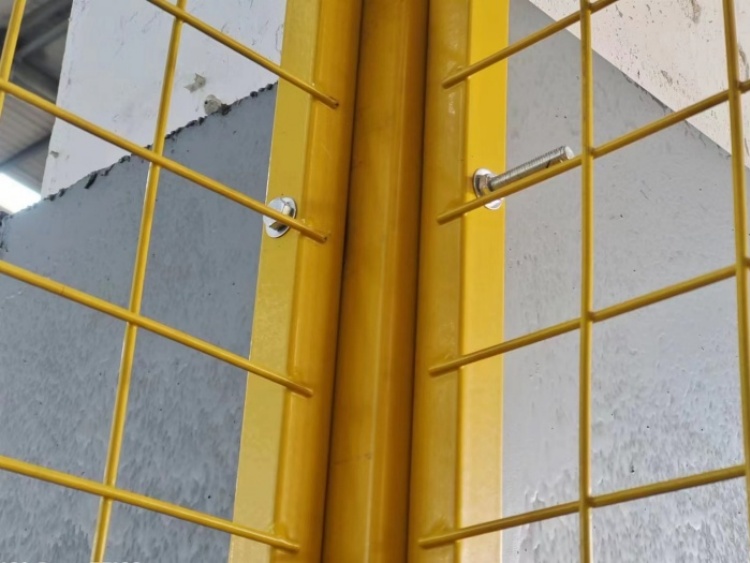
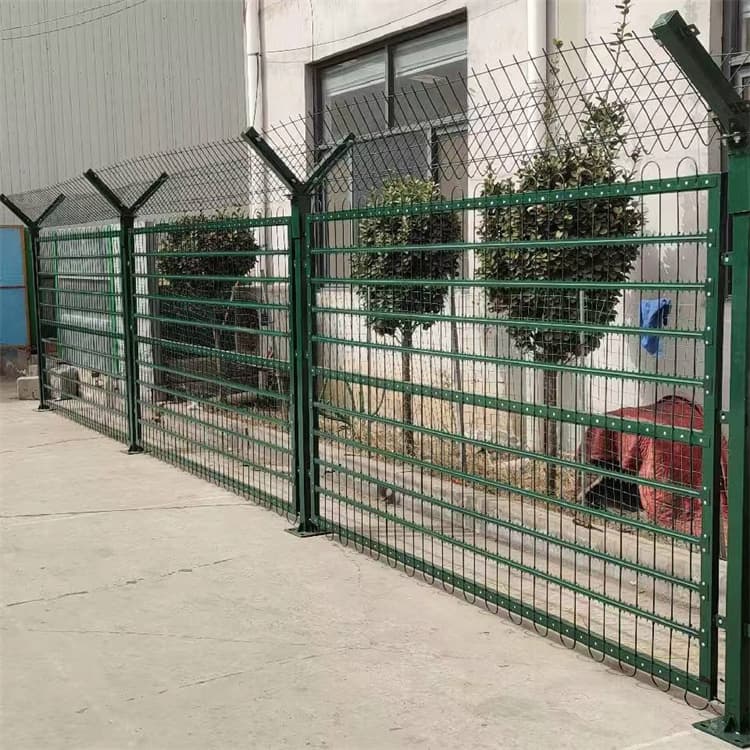
  • Panels attach to posts using bolted flat ears (40mm x 50mm x 5mm steel).
  • Each ear has slotted holes (~15mm adjustment range) so you can fine-tune alignment.
  • Use 14mm x 50mm hot-dip galvanized bolts and nuts—minimum 6 connection points per panel.
✅ Geometry Matters
  • The whole fence must run perfectly straight.
  • Frame corners must be square; diagonal error ≤ 1.5cm.
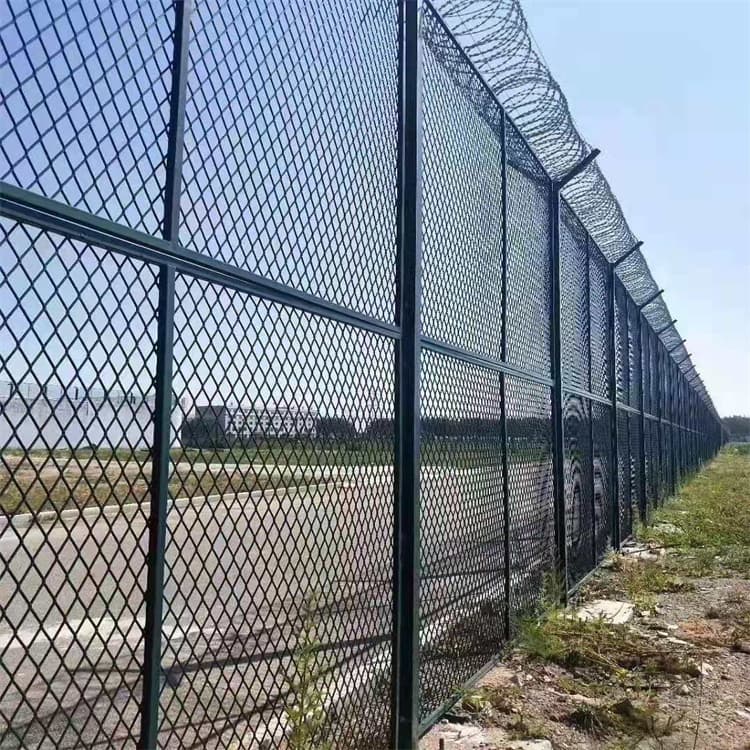
  • Mesh diamonds? They must run vertically—not sideways.
  • Every panel needs at least 6 secure fastening points per side.
✅ Razor Wire Setup
  • Concertina coils: ≥10 coils per meter, spaced 100mm apart.
  • Coils must be parallel to the mesh, perfectly aligned—no sagging, no tilting.
  • Every 20 meters, secure the razor wire to the horizontal tension wire with locking clips.
  • At joints or corners? Double-anchor both ends—no gaps, no looseness.
✅ Post Alignment Is Non-Negotiable
  • Posts must be dead straight.
  • Check alignment every 20 meters.
  • Over 100 meters, total deviation must not exceed 6 degrees.
  • On walls? Anchor posts into concrete every 3 meters—no exceptions.
How to Install Prison-Grade Steel Mesh Fence Right—Safety, Specs & Why Cutting Corners Risks Everything


Concrete Work: Where Most Projects Fail

Yes, even fences need serious concrete work. Here’s how it’s done right:
  1. Prep: Wet the base area to prevent rapid drying.
  2. Pouring order:
    • Start farthest from the pump and work backward.
    • Pour vertical supports first, then horizontal elements.
  3. Reinforcement: Concrete must be vibrated and compacted—no air pockets.
  4. Expansion joints: Every 120 meters, install a double-post isolation joint (gap ≤10mm).
  5. Corners & breaks: Use monolithic double bases—twice the volume of a standard base.
⚠️ Critical Reminder: Never move to the next step until the concrete fully cures. Rushing = cracked foundations = wasted time, money, and risk.
How to Install Prison-Grade Steel Mesh Fence Right—Safety, Specs & Why Cutting Corners Risks Everything
28 2 月, 2026
News

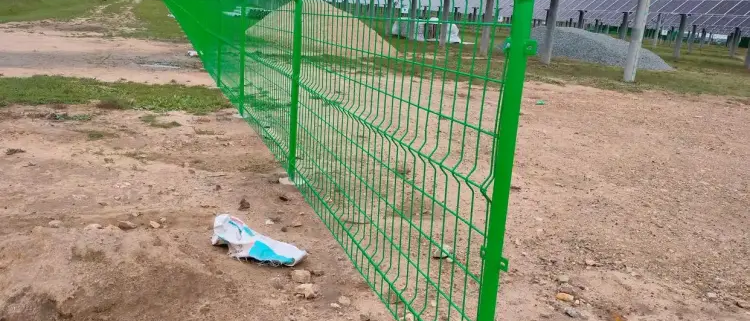
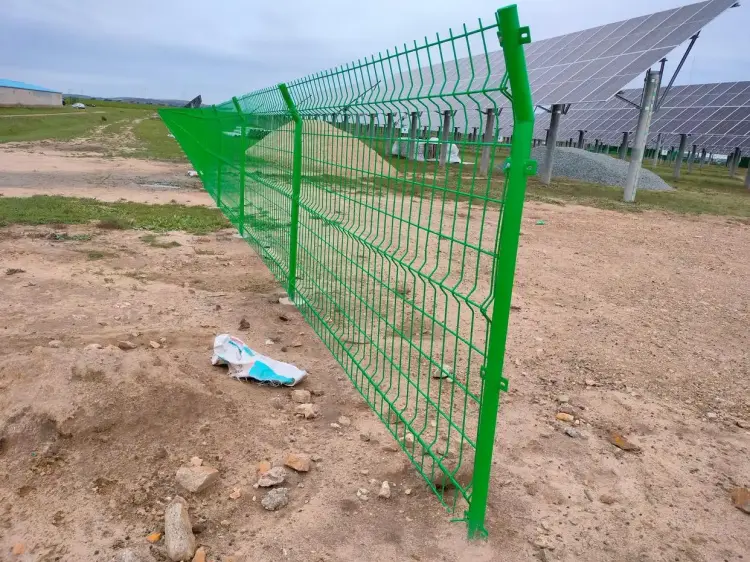
What I Wish Every Solar Developer Knew About Fencing—Before Breaking Ground

What I Wish Every Solar Developer Knew About Fencing—Before Breaking Ground

I’ve walked dozens of solar sites—from dusty deserts in Jordan to rainy fields in Vietnam—and one thing keeps coming up: fencing gets planned last, but it causes problems first.

What I Wish Every Solar Developer Knew About Fencing—Before Breaking Ground

Here’s the truth no spec sheet tells you:

A solar farm fence isn’t just “something around the edge.” It’s your first line of defense, your maintenance enabler, and—believe it or not—part of your community reputation.

So after years of seeing what works (and what leads to midnight repair calls), here’s my practical take:

1. “Security” Starts with the Right Mesh

Chain link? Fine for a backyard. For a 50MW plant? Think again.

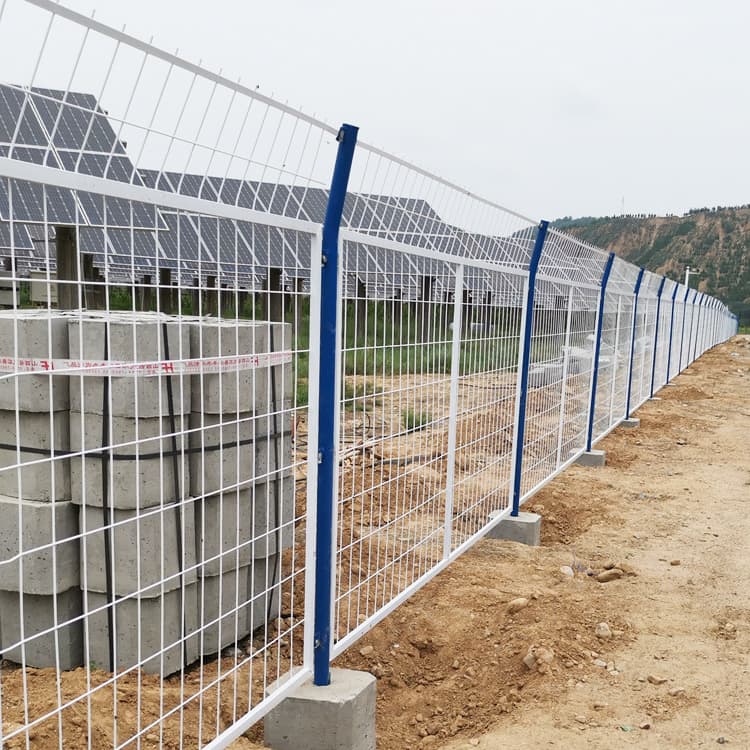
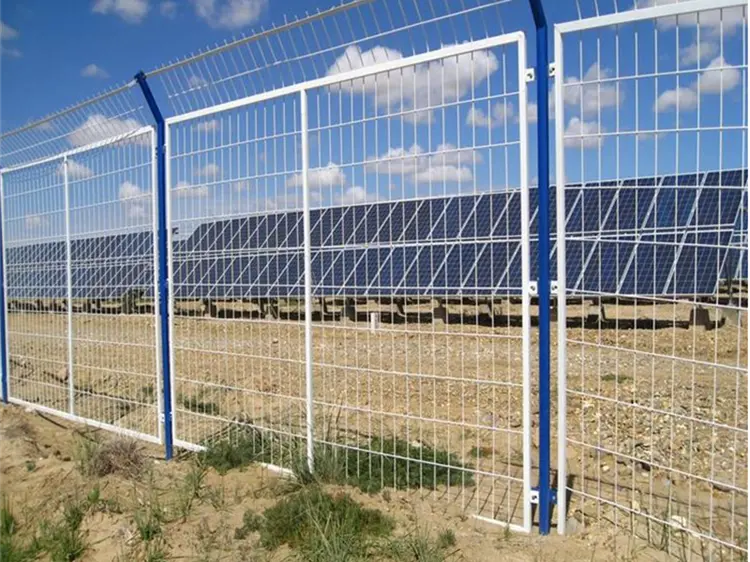
We now specify welded rigid panels—like 358 mesh or clear-view—with hot-dip galvanizing + polyester powder coating. Why? Because they resist cutting, don’t sag over time, and handle UV like champs. Bonus: they look clean from the highway, which neighbors appreciate.

2. Animals Don’t Respect Permits

In Kenya, baboons ripped cables through loose fencing. In Brazil, capybaras burrowed under chain link. Lesson learned: extend the fence 40cm underground or add a concrete toe. It costs a bit more upfront—but saves thousands in panel replacements later.

3. Your O&M Crew Will Thank You

If your fence has no service gates or requires bolt cutters to open, you’re slowing down every inspection. We now design modular sections with lockable access panels every 100–200 meters. Simple? Yes. Rarely done? Shockingly, yes.

4. Local Rules Change Everything

In Europe, you might need anti-climb curves by law. In parts of Africa, height limits are strict near schools. Always check national grid codes AND local municipal rules—not just international standards.

What I Wish Every Solar Developer Knew About Fencing—Before Breaking Ground

5. Sustainability Isn’t Just Panels

Clients ask about carbon footprint—then install fences that rust in 5 years. Instead, choose 100% recyclable steel, coatings with zero VOCs, and suppliers who publish EPDs (Environmental Product Declarations). It’s becoming a tender requirement, not a nice-to-have.

What I Wish Every Solar Developer Knew About Fencing—Before Breaking Ground

The Real ROI of Good Fencing?

Fewer security breaches.

Lower lifetime maintenance.

Happier neighbors.

And zero “we should’ve thought of this earlier” meetings.

So next time you’re finalizing your BOM, don’t just write “perimeter fence.” Ask: What kind of fence will still be doing its job when the panels are halfway through their life?

That’s the one worth installing.

We help solar EPCs and developers specify, source, and certify fencing that lasts as long as the project itself. Drop us a line for region-specific solutions.

27 2 月, 2026
News

The Science Behind Welded Mesh Fencing: Why Precision Welding Defines Security Performance

The Science Behind Welded Mesh Fencing: Why Precision Welding Defines Security Performance
Welded mesh fencing—often referred to as BRC (British Rolled Concrete) fence in many markets—is more than just intersecting wires. Its real strength lies in how those wires are joined. In this post, we take a closer look at the welding process that turns raw steel into a reliable perimeter barrier.
Unlike bolted or woven systems, welded mesh relies on fusion bonding at every intersection. This isn’t just about holding wires together—it’s about creating a unified structural grid that resists bending, cutting, and climbing attempts.
Here’s how it’s done right:
Material Integrity Comes First
High-tensile steel wire is the foundation. Before any welding begins, both longitudinal and cross wires undergo strict quality checks for diameter consistency and tensile strength. Impurities or inconsistencies here can lead to weld failures down the line.
Surface Readiness Is Non-Negotiable
Even the best weld won’t stick to a dirty surface. Wires are cleaned via mechanical brushing or chemical degreasing to remove oxides, oil, or moisture. Clean metal ensures optimal electrical conductivity during resistance welding—a critical factor for consistent joint formation.
Resistance Welding: The Heart of the Process
Most industrial-grade welded mesh uses electric resistance welding (ERW). Here’s how it works:
  • Wires are precisely aligned in a grid pattern.
  • Electrodes apply pressure while passing a high-current pulse through the contact point.
  • The resulting heat fuses the metals instantly—no filler material needed.
  • The entire panel is formed in seconds, with each node structurally locked.
This method delivers uniformity, speed, and minimal distortion—key for maintaining flatness across large panels.
Post-Weld Treatment for Longevity
After welding, panels often go through:
  • Deburring: To remove sharp edges and ensure safety during handling.
  • Hot-dip galvanizing: Immersing the entire panel in molten zinc for corrosion resistance that lasts decades.
  • Optional PVC or powder coating: For added color, UV protection, and anti-climb smoothness—especially useful in urban or residential settings.

The Science Behind Welded Mesh Fencing: Why Precision Welding Defines Security Performance

Quality Isn’t Assumed—It’s Verified
Reputable manufacturers test weld shear strength, grid accuracy, and coating thickness. Standards like ISO 1461 (for galvanizing) or ASTM A185 (for welded wire fabric) provide benchmarks. Without these checks, even a visually perfect fence may fail under stress.
Why It Matters in Real Applications
From agricultural enclosures to airport perimeters, the performance of a security fence hinges on weld integrity. A poorly welded joint becomes the weakest link—literally. But when done correctly, welded mesh offers unmatched rigidity, low maintenance, and a clean aesthetic that blends function with form.
In short: Great fencing starts long before installation—it starts at the weld.
26 2 月, 2026
News

All About Football Field Perimeter Fencing

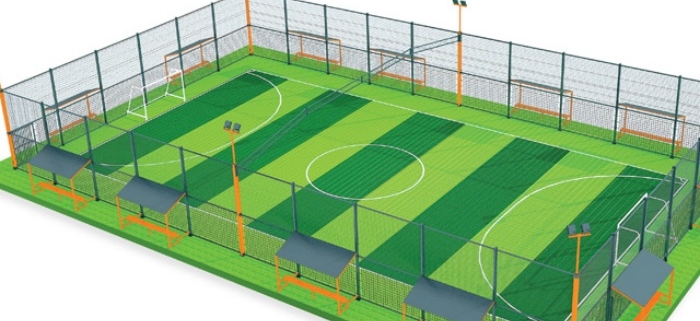
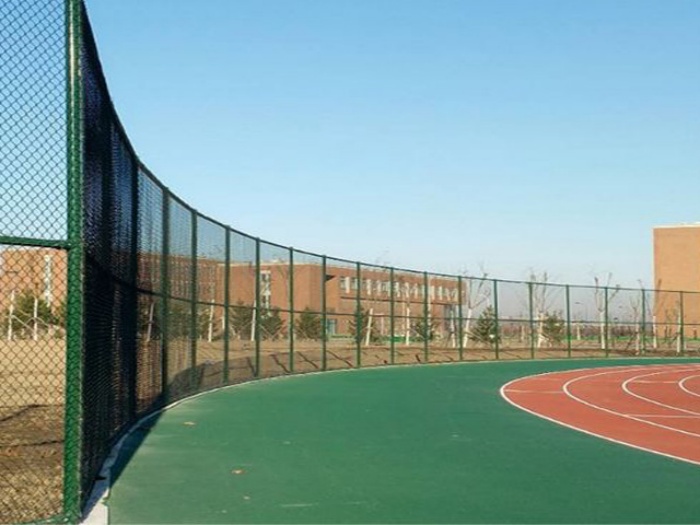
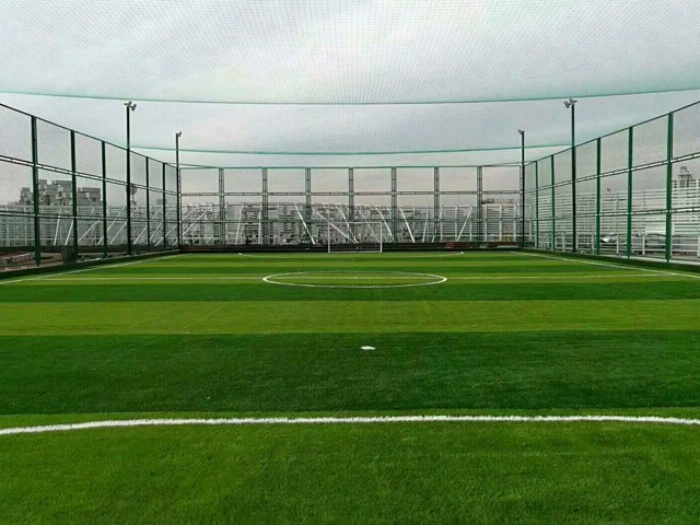
When it comes to fencing around football fields, one of the most common choices is PVC/PE-coated chain-link mesh. The inner wire is made from high-quality low-carbon steel and is first hot-dip galvanized for rust resistance. Then, it’s coated with a layer of plastic—either PE or PVC—for extra durability and weather protection.
zqcww1
fencing around football fields
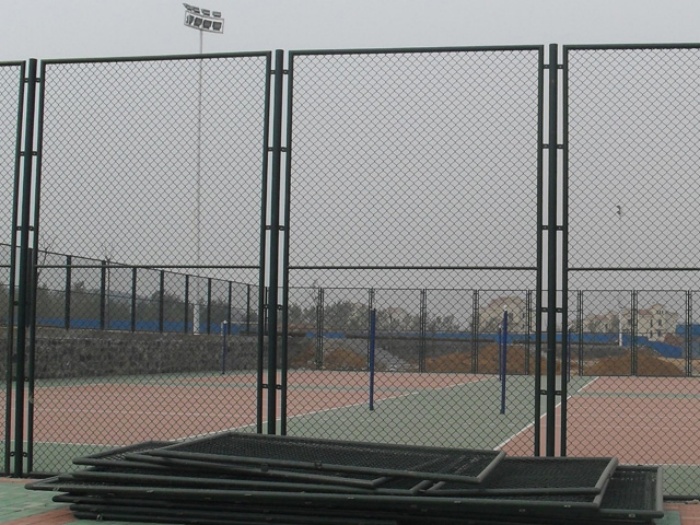
This type of fencing is made using a combination of weaving and welding techniques. As for surface treatment, the mesh itself uses PE/PVC-coated wires, while the posts and frame components (like top rails and side frames) are finished with either powder coating or dip coating to boost corrosion resistance and keep things looking clean.
zqcww2
fencing around football fields
Here are the typical specs you’ll see:
  • Mesh size: Usually 50mm × 50mm or 60mm × 60mm
  • Wire diameter (after coating): Around 3.8mm
  • Panel dimensions: Commonly 3,000mm wide by 2,000mm tall (that’s 3 meters by 2 meters)
  • Posts: Made from 60mm-diameter round steel tubes with a wall thickness of 2.5mm
  • Horizontal rails: Typically 50mm-diameter round tubes, 2mm thick
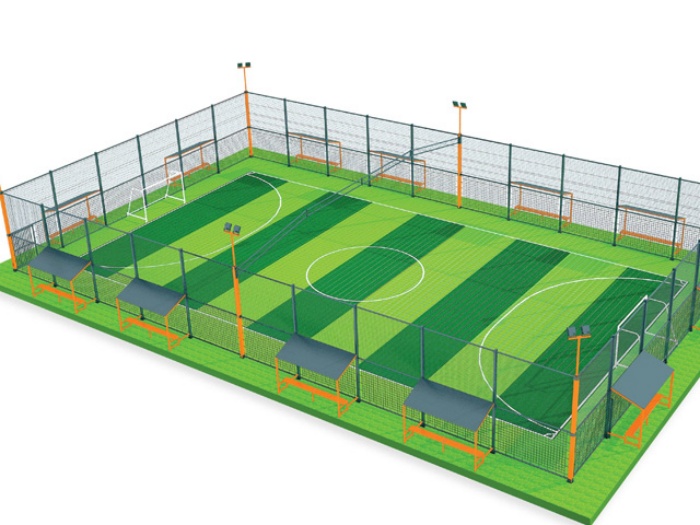
As for color, most people go with dark green or grass green—but honestly, dark green is by far the more popular option because it blends in nicely with the turf and looks sharp year-round.
zqcww3
fencing around football fields
And why do folks love this kind of fencing? It’s simple: it’s tough, low-maintenance, easy to install, and does a great job keeping the ball in play while also making the whole field look neat and professional. Plus, it holds up well against sun, rain, and daily wear—so you’re not constantly fixing or repainting it.
zqcww4
fencing around football fields
6 2 月, 2026
News

Ukrainian Buyer Visits Hebei Fencing Factory in Summer 2025

Ukrainian Buyer Visits Hebei Fencing Factory in Summer 2025

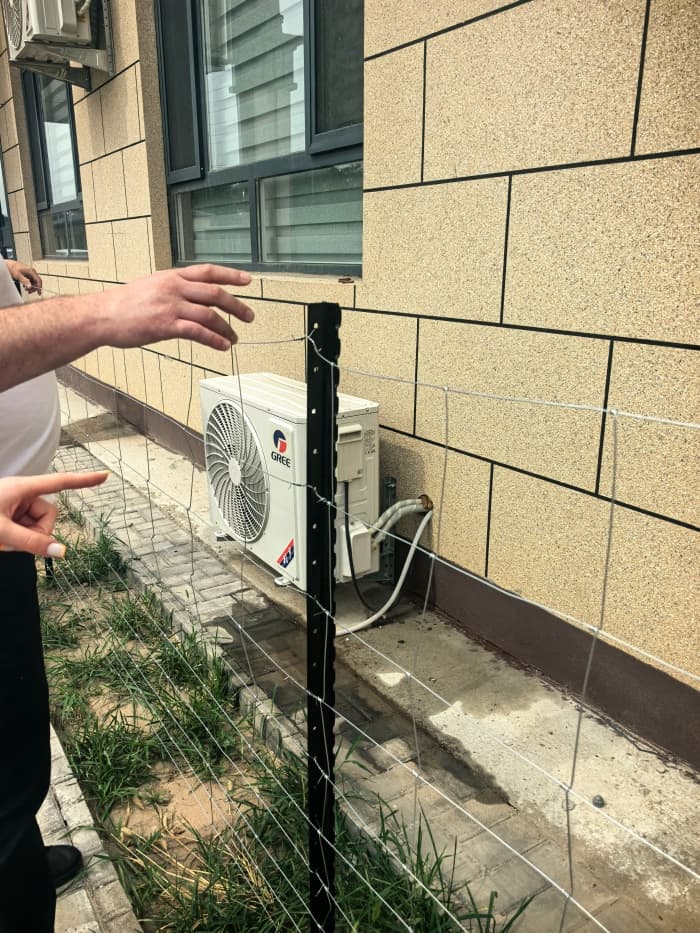
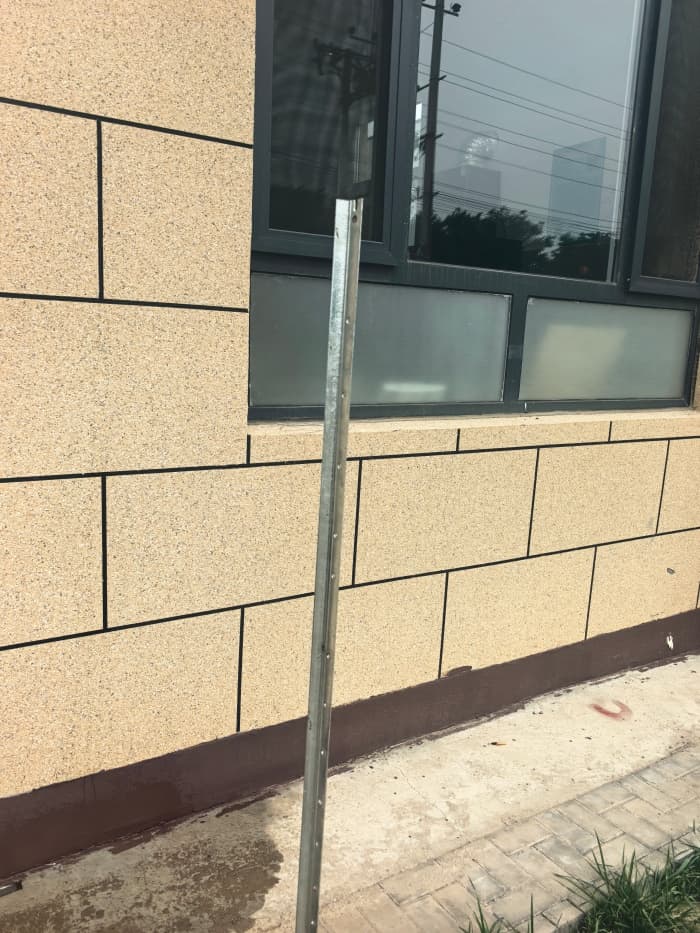
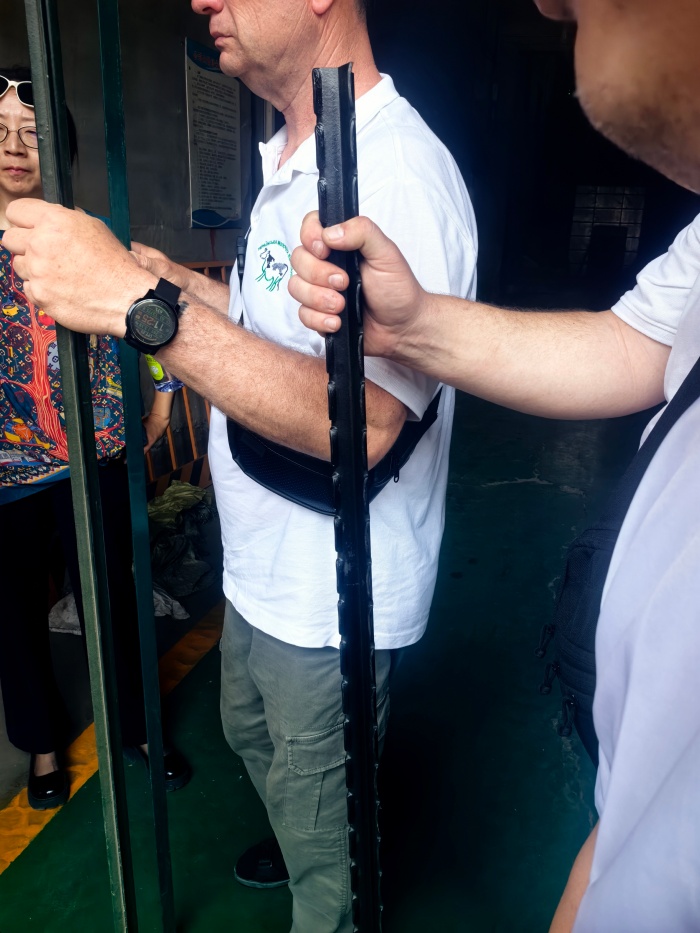
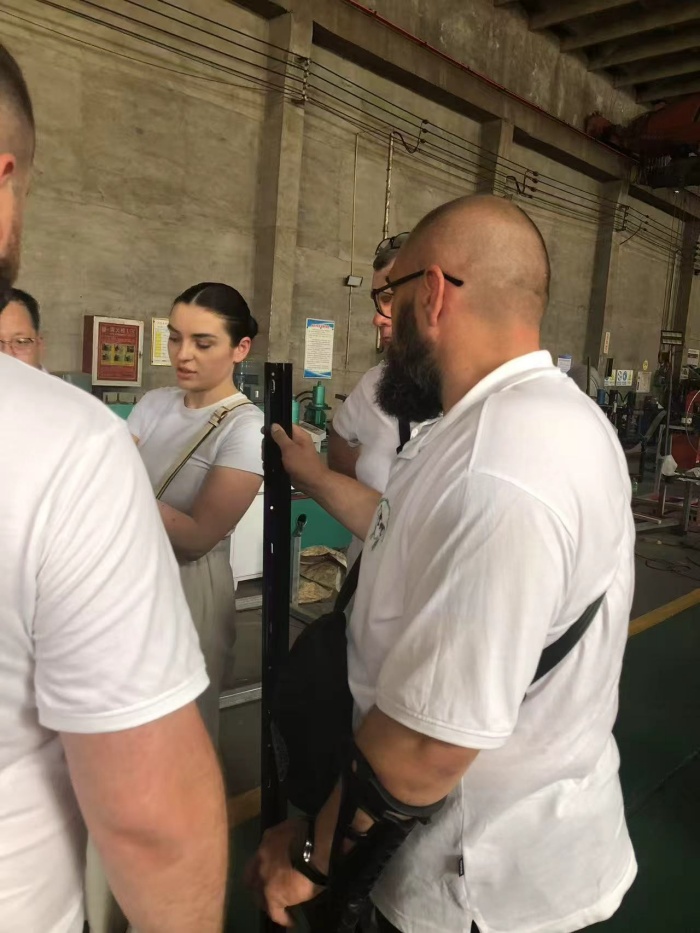
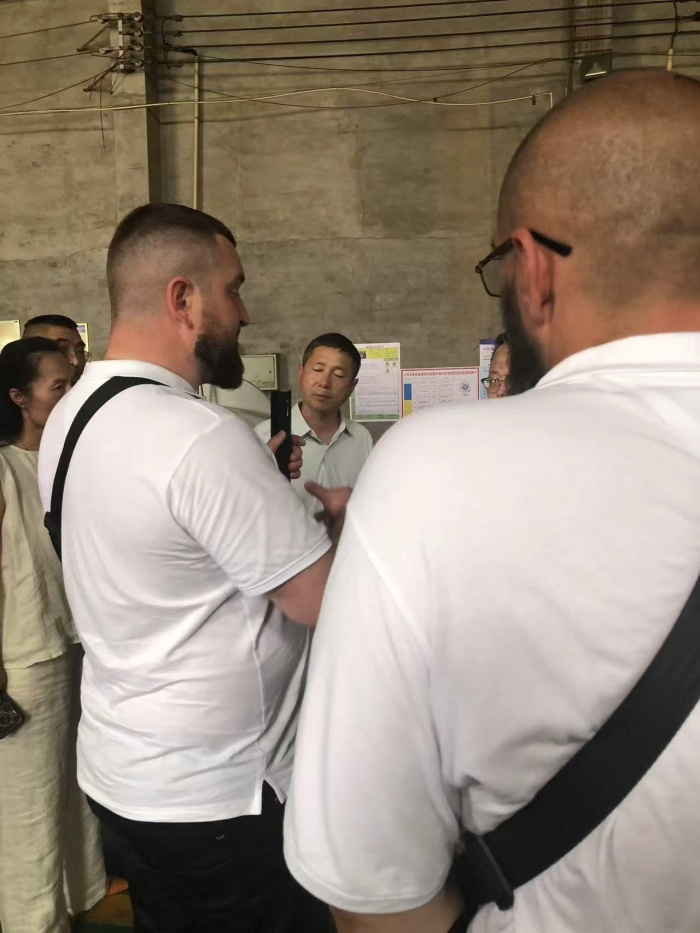
In summer 2025, a buyer from Ukraine visited our fencing factory in Hebei Province to see our products and production process in person. The visit included two key stops: viewing installed fence samples right outside our office building, and walking through the active production line inside the factory.

Past-Ukraine-Stock-fence-1
Past-Ukraine-Stock-fence-3
Outside the office, the client examined full-size sections of our most popular fencing types—including welded mesh fences, palisade fences, and decorative steel railings—all installed outdoors under real weather conditions. “Seeing how the finish holds up in sun and rain matters more than any photo,” he said.
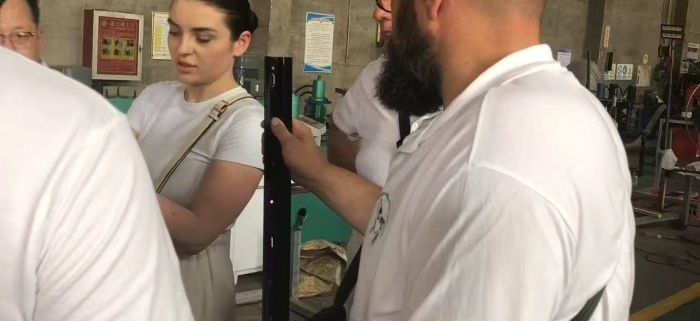
Inside the factory, he watched every step: cutting, welding, galvanizing, powder coating, and final inspection. He paid close attention to weld strength, surface smoothness, and packaging methods—key factors for long-lasting performance in Ukraine’s climate.
Past-Ukraine-Stock-fence-4
wukelan1
wukelan3
Our factory has supplied fencing to Europe for over a decade. We specialize in:
  • Welded mesh fence panels
  • Anti-climb palisade fencing
  • Powder-coated steel railings
  • Custom heights, colors, and post types
All products are made from hot-dip galvanized steel and finished with outdoor-grade powder coating for rust resistance and durability.
The client left with sample panels and confirmed plans for a trial order. “When you can touch the product and meet the team making it, trust comes faster,” he noted before departing.
We welcome buyers from around the world to visit, inspect, and build direct partnerships—no middlemen, no guesswork.
6 2 月, 2026
News

Premium Tennis Court Fencing Systems – Durable, Low-Maintenance & UV-Resistant Enclosures for Clubs & Backyards

Smart Fencing Solutions for Modern Tennis Courts

When it comes to building or upgrading a tennis facility, the fence isn’t just a boundary—it’s a key part of the playing experience. A well-designed enclosure ensures safety, contains stray balls, reduces distractions, and even enhances the overall look of the court. But before choosing materials or installation methods, it helps to understand the space you’re working with.
 
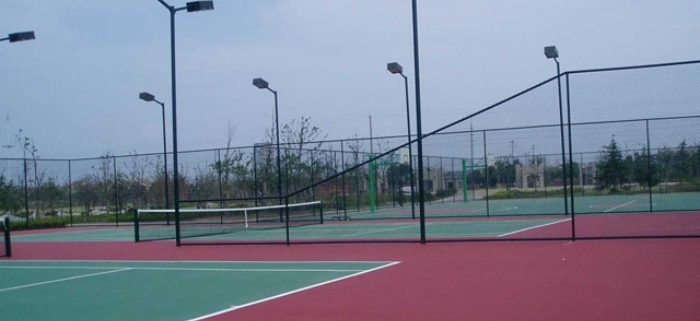
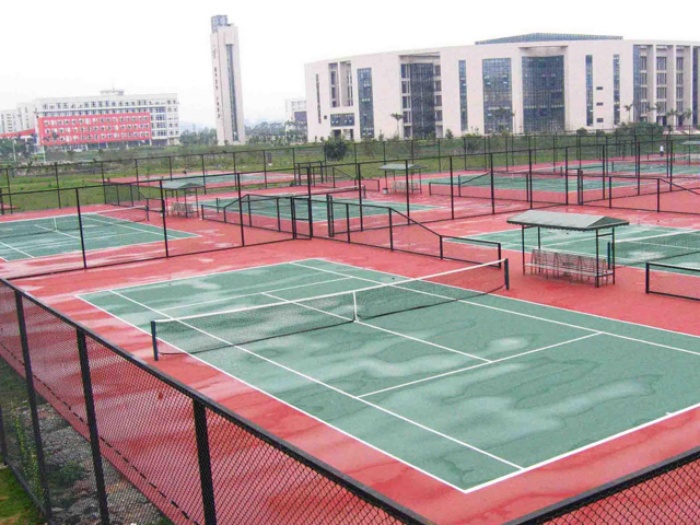
wqcww1
Premium Tennis Court Fencing Systems

Court Layout & Required Clearances

A regulation tennis court needs more room than just the painted lines suggest. While the actual doubles playing area measures 23.77 m long by 10.98 m wide, international standards recommend additional clearance around all sides:
  • At least 6.4 meters behind each baseline (for player movement and backswing space)
  • Minimum 3.66 meters beyond each sideline
This brings the total recommended footprint to approximately 36.6 m × 18.3 m, or 670 m²—the standard size used when planning fencing or indoor court walls. The net posts themselves are set 12.8 meters apart, and their height at the top is 914 mm above the playing surface.
 
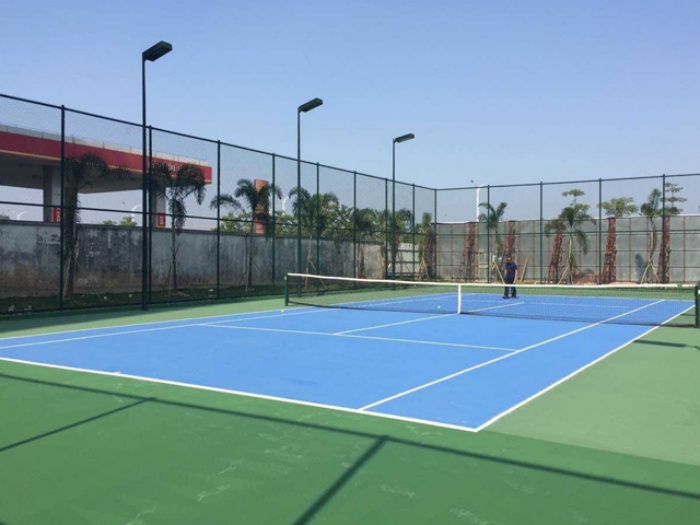
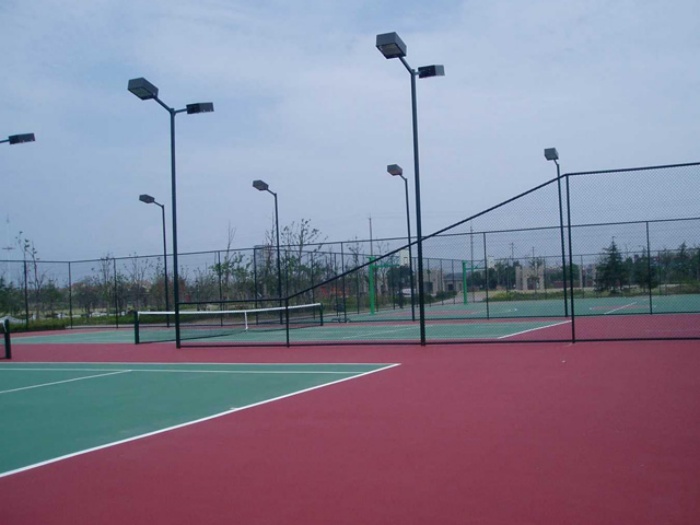
wqcww2
Premium Tennis Court Fencing Systems

Why Our Fence System Works for Tennis

We’ve developed our tennis court fencing with real-world use in mind—balancing visibility, strength, and low maintenance. Here’s what sets it apart:
  • Material: We start with high-quality low-carbon steel wire—strong enough to withstand impacts but flexible enough to avoid brittleness in cold weather.
  • Build Technique: Panels are welded for structural integrity, then finished with a tight woven mesh that prevents tennis balls from getting stuck or bouncing unpredictably.
  • Weather Protection:
    • The mesh is coated in PVC or PE, which resists fading, chipping, and corrosion.
    • Posts and frame components get a powder-coated base layer, followed by a dip-coating process—a double defense against rust, especially in humid or coastal climates.
Key Specs at a Glance:
  • Coated wire diameter: 3.8 mm
  • Mesh openings: 45×45 mm or 50×50 mm (both tested for optimal ball retention)
  • Panel dimensions: 3 m wide × 4 m tall (standard modular size for easy transport and assembly)
  • Main posts: 60 mm OD round tube, 2.5 mm wall thickness
  • Horizontal supports: 48 mm OD round tube, 2.0 mm wall thickness
Color Choices:
Dark green remains the go-to option—it’s subtle, non-reflective, and blends seamlessly into most landscapes. Grass green is available for facilities wanting a slightly fresher tone.
 
wqcww3
Premium Tennis Court Fencing Systems

Installation Made Simple

We offer two proven mounting options, depending on your site:
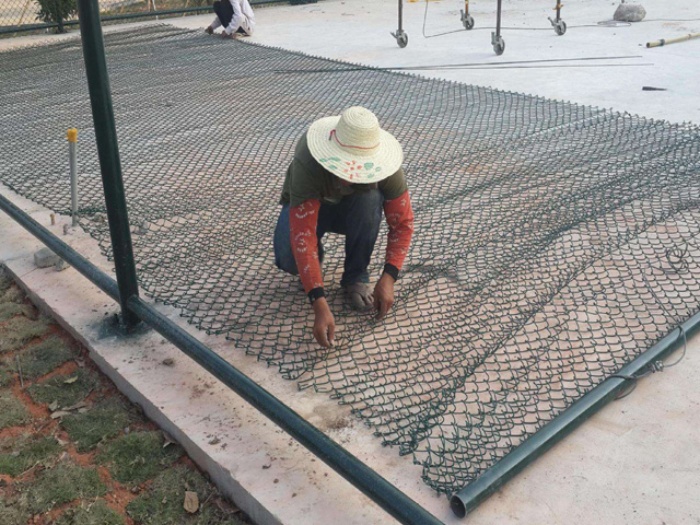
  1. Embedded Post Method
    Ideal for new builds or open ground. Technicians dig post holes, position the uprights, and secure them with poured concrete. After curing (usually 1–2 days), panels are attached. This method delivers maximum stability and is preferred for permanent installations.
  2. Surface-Mount Base Plate
    Perfect for existing hard surfaces like concrete or asphalt. Heavy-duty base plates are bolted directly to the ground using expansion anchors—no excavation needed. It’s faster, cleaner, and great for retrofits or temporary setups.

Whether you’re outfitting a private club, school campus, or public park, this fencing system offers durability without constant upkeep, clean sightlines for players and spectators, and a polished finish that lasts season after season. And because it’s designed specifically for tennis—not repurposed from industrial or agricultural fencing—it performs exactly as needed where the game happens.
 
wqcww4
Premium Tennis Court Fencing Systems
28 1 月, 2026

Latest Projects

  • 2DF-Decorative Fencing Panels & Square Post C2DF-Decorative Fencing Panels & Square Post C
    2DF-Decorative Fencing Panels & Square Post C10 2 月, 2026 - 7:47 上午
  • Gabion Wall Fence Panel
    Gabion Wall Fence Panel9 2 月, 2026 - 3:26 上午
  • Workshop Equipment Isolation Fence
    Workshop Equipment Isolation Fence6 2 月, 2026 - 3:30 上午
  • 358F 2D Metal Fence Mesh & Profiled Posts C
    358F 2D Metal Fence Mesh & Profiled Posts C2 2 月, 2026 - 9:15 上午
  • 2DF-Decorative Fencing Panels & Square Post C2DF-Decorative Fencing Panels & Square Post C
    2DF-Decorative Fencing Panels & Square Post C10 2 月, 2026 - 7:47 上午
  • Gabion Wall Fence Panel
    Gabion Wall Fence Panel9 2 月, 2026 - 3:26 上午
  • Workshop Equipment Isolation Fence
    Workshop Equipment Isolation Fence6 2 月, 2026 - 3:30 上午

About Command Fence

A leading provider of high-end metal perimeter protection solutions, specializing in innovative design, superior quality, and exceptional craftsmanship.

X Logo X Logo Followon X RSS Feed Logo RSS Feed Logo Subscribeto RSS Feed

Contact Us

info@commandfence.com

WhatsApp:+86 177 0122 6188

No. 8 Xicheng Street, Xicheng Development Zone, Raoyang County, Hengshui City, Hebei Province,China.053999

Office Hours

24-hour response

Latest Projects

  • 2DF-Decorative Fencing Panels & Square Post C2DF-Decorative Fencing Panels & Square Post C
    2DF-Decorative Fencing Panels & Square Post C10 2 月, 2026 - 7:47 上午
  • Gabion Wall Fence Panel
    Gabion Wall Fence Panel9 2 月, 2026 - 3:26 上午
  • Workshop Equipment Isolation Fence
    Workshop Equipment Isolation Fence6 2 月, 2026 - 3:30 上午
© Copyright - China Fence Supplier - Enfold Theme by Kriesi
Scroll to top Scroll to top Scroll to top