
What I Wish Every Solar Developer Knew About Fencing—Before Breaking Ground
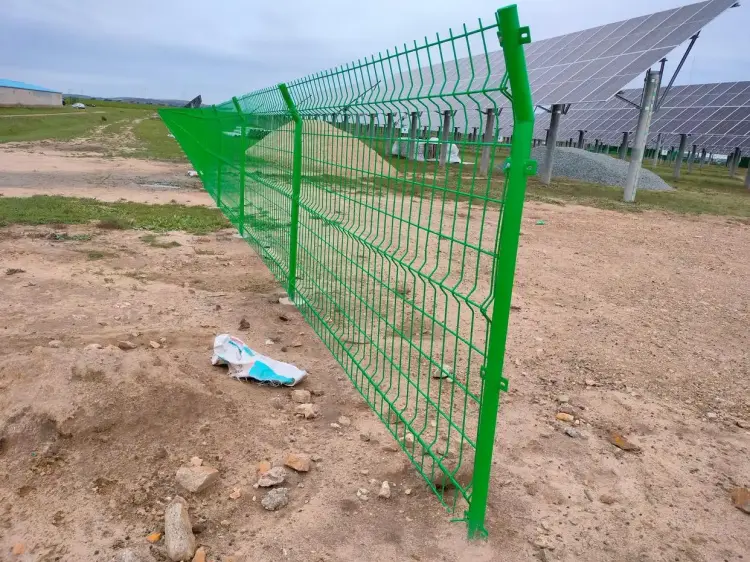
I’ve walked dozens of solar sites—from dusty deserts in Jordan to rainy fields in Vietnam—and one thing keeps coming up: fencing gets planned last, but it causes problems first.
Here’s the truth no spec sheet tells you:
A solar farm fence isn’t just “something around the edge.” It’s your first line of defense, your maintenance enabler, and—believe it or not—part of your community reputation.
So after years of seeing what works (and what leads to midnight repair calls), here’s my practical take:
1. “Security” Starts with the Right Mesh
Chain link? Fine for a backyard. For a 50MW plant? Think again.
We now specify welded rigid panels—like 358 mesh or clear-view—with hot-dip galvanizing + polyester powder coating. Why? Because they resist cutting, don’t sag over time, and handle UV like champs. Bonus: they look clean from the highway, which neighbors appreciate.
2. Animals Don’t Respect Permits
In Kenya, baboons ripped cables through loose fencing. In Brazil, capybaras burrowed under chain link. Lesson learned: extend the fence 40cm underground or add a concrete toe. It costs a bit more upfront—but saves thousands in panel replacements later.
3. Your O&M Crew Will Thank You
If your fence has no service gates or requires bolt cutters to open, you’re slowing down every inspection. We now design modular sections with lockable access panels every 100–200 meters. Simple? Yes. Rarely done? Shockingly, yes.
4. Local Rules Change Everything
In Europe, you might need anti-climb curves by law. In parts of Africa, height limits are strict near schools. Always check national grid codes AND local municipal rules—not just international standards.
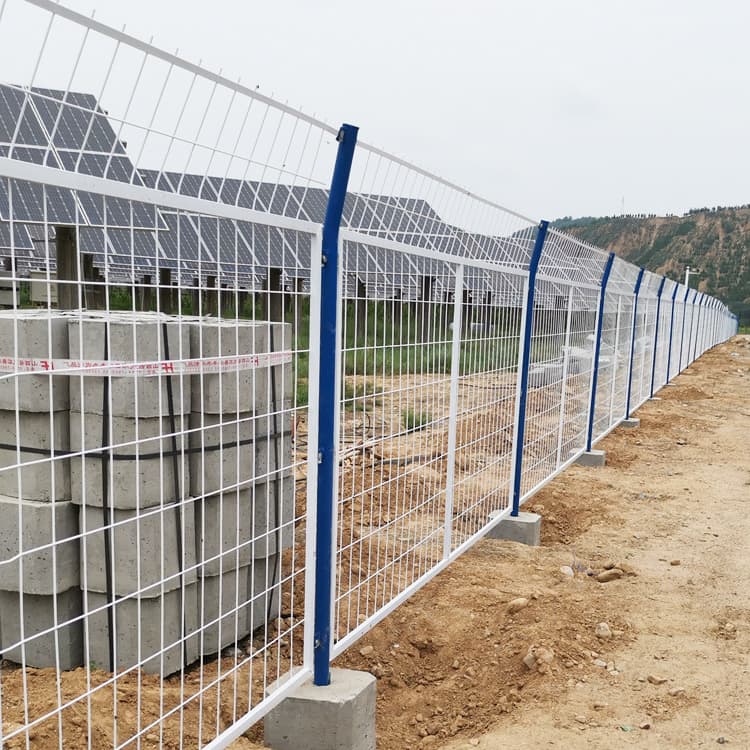
What I Wish Every Solar Developer Knew About Fencing—Before Breaking Ground
5. Sustainability Isn’t Just Panels
Clients ask about carbon footprint—then install fences that rust in 5 years. Instead, choose 100% recyclable steel, coatings with zero VOCs, and suppliers who publish EPDs (Environmental Product Declarations). It’s becoming a tender requirement, not a nice-to-have.
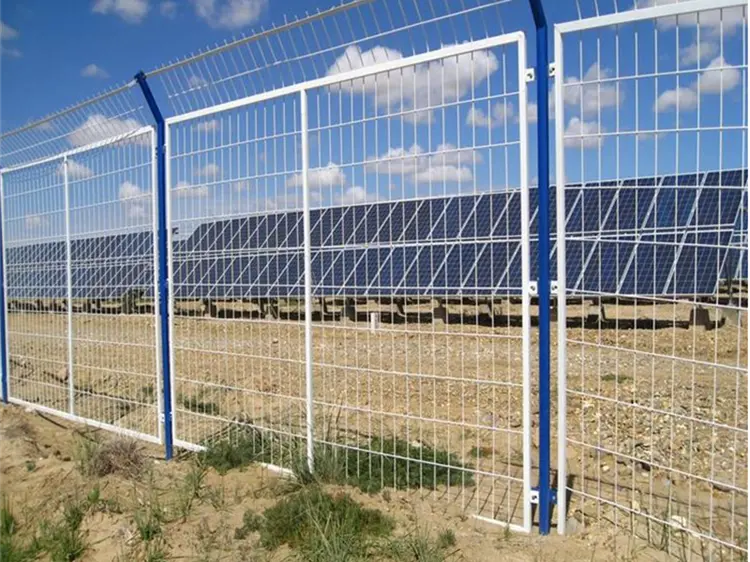
What I Wish Every Solar Developer Knew About Fencing—Before Breaking Ground
The Real ROI of Good Fencing?
Fewer security breaches.
Lower lifetime maintenance.
Happier neighbors.
And zero “we should’ve thought of this earlier” meetings.
So next time you’re finalizing your BOM, don’t just write “perimeter fence.” Ask: What kind of fence will still be doing its job when the panels are halfway through their life?
That’s the one worth installing.
We help solar EPCs and developers specify, source, and certify fencing that lasts as long as the project itself. Drop us a line for region-specific solutions.
 2DF-Decorative Fencing Panels & Square Post C


